
Lahore, often referred to as the heart of Pakistan, is a city that blends culture, history, and vibrant life. Among the many aspects that define its character, the Gardens in Lahore stand out as symbols of beauty, culture, and environmental heritage. These gardens are not merely patches of greenery; they are living stories that connect Lahore’s past with its present and future.
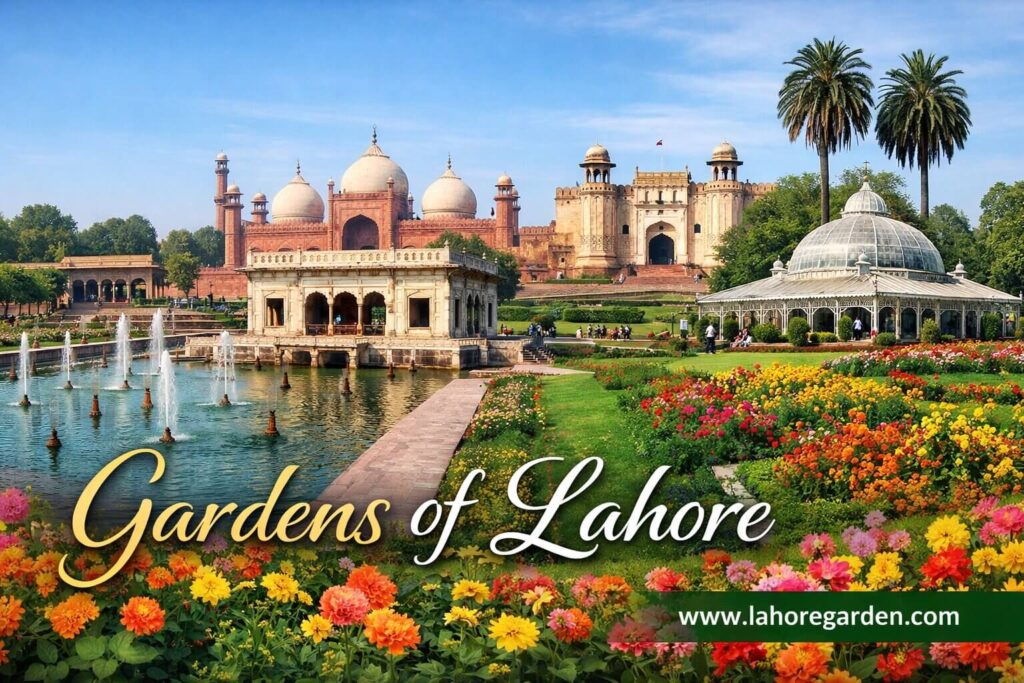
From Mughal masterpieces to British‑era landscapes and modern recreational spaces, Gardens in Lahore reflect architectural brilliance, cultural expression, and environmental importance. This article explores renowned gardens, their history, the people behind them, and the impact they have on Lahore’s social fabric.
The Mughal Legacy: Gardens That Whisper History
Shalimar Gardens
The crown jewel of Gardens in Lahore is undoubtedly the Shalimar Gardens. Commissioned by the Mughal Emperor Shah Jahan in 1642, these gardens epitomize Mughal garden design, influenced by Persian layouts of the chahar bagh — a quadrilateral layout divided by water channels.
Shalimar Gardens cover approximately 79 acres. The construction cost is not precisely documented, but historical sources suggest extensive expenditure in terms of skilled labor and imported materials, which today would equate to millions of dollars in maintenance and restoration costs.
The garden’s design features three terraces, flowing water cascades, over 400 fountains, and symmetrical floral arrangements. These elements make it one of the most cherished Gardens in Lahore and a UNESCO World Heritage Site.
Hazuri Bagh
Another classic example of Mughal landscaping is Hazuri Bagh. Located between the Lahore Fort and Badshahi Mosque, Hazuri Bagh was established by Maharaja Ranjit Singh in 1818 to commemorate his victory over the Afghan forces. Ranjit Singh invested significantly in this garden, emphasizing marble pathways and a central pavilion.
Though smaller compared to Shalimar, Hazuri Bagh remains a vital part of the history of Gardens in Lahore, blending Sikh and Mughal influences.
Bagh e Jinnah
Commissioned in 1862 during British rule, Lawrence Gardens (renamed Bagh i Jinnah after independence) was designed by renowned British landscape architects. Sir John Lawrence, then Viceroy of India, intended it to be a space for recreation and reflection.
The garden includes an impressive botanical collection, rare plant species, a library, and sports facilities. It remains a central fixture among Gardens in Lahore, providing a peaceful retreat amid bustling city life.
British and Post‑Colonial Era: Parks and Playgrounds
Racecourse Park
Built during the British era as part of the Lahore Race Club, Racecourse Park has transitioned into one of the most popular public parks among Gardens in Lahore. Post‑Independence, the government expanded its grounds for families, joggers, and weekend picnickers.
Although not as historically old as Shalimar or Hazuri Bagh, Racecourse Park reflects British influence in urban planning and remains vital in Lahore’s recreation landscape.
Gulshan e Iqbal Park
Established in 1978, Gulshan e Iqbal Park was built in honor of Allama Iqbal, the national poet of Pakistan. This large recreational space has long been part of the modern list of Gardens in Lahore.
With walking tracks, playgrounds, picnic spots, and boating lakes, it attracted thousands daily. The park underwent renovation after a tragic incident, demonstrating Lahore’s commitment to safe and sustainable green spaces.
Model Town Park
Built in 1985, Model Town Park is an urban green landmark covering roughly 100 acres. It was part of a planned residential area, offering residents one of the most beautifully maintained Gardens in Lahore.
The park features jogging trails, open lawns, shaded seating areas, and seasonal flower beds that showcase Lahore’s dedication to environmental well‑being.
Cultural and Botanic Gems: Learning Through Green Spaces
Botanical Garden – Jallo
Located on the outskirts of Lahore near the Jallo Wildlife Park, Lahore Botanical Garden was inaugurated in 2009 to promote conservation and botanical education. As one of the finest scientifically curated Gardens in Lahore, it includes plant research centers, themed plant collections, and educational programs for students and visitors.
The investment in this garden has emphasized research, floral diversity, and long‑term sustainability, distinguishing it from recreational parks.
Why Gardens Matter: Environmental, Social, and Cultural Importance
Environmental Benefits
The Gardens in Lahore play a crucial role in mitigating pollution, improving air quality, and combating heat island effects. Trees and plants absorb carbon dioxide, produce oxygen, and reduce dust — critical factors for a fast‑growing metropolis.
The presence of green lungs like Shalimar Gardens and Bagh i Jinnah enhances the ecological balance and supports migratory birds, local wildlife, and biodiversity.
Cultural and Educational Importance
Many Gardens in Lahore double as cultural centers. For instance, Bagh i Jinnah hosts literary events and exhibitions, while the Botanical Garden provides hands‑on educational experiences for students and researchers.
These gardens are not simply leisure spots — they are spaces where art, education, and culture intersect.
Social and Recreational Roles
For Lahoris, gardens are places of family bonding, exercise, celebrations, and relaxation. Whether it’s a morning walk in Model Town Park or a weekend picnic in Gulshan e Iqbal Park, these spaces enrich daily life and foster community interaction.
Challenges and the Future of Gardens in Lahore
Despite their value, the Gardens in Lahore face challenges:
Urban Expansion and Encroachment
Rapid urbanization threatens green areas. Peripheral development and construction risk reducing garden sizes unless regulated.
Pollution and Maintenance Costs
Air and soil pollution strain plant health, requiring higher maintenance budgets. Historical gardens like Shalimar need continuous restoration to maintain structural and botanical integrity.
Climate Change and Water Scarcity
Changing weather patterns and water shortages pose risks to sustaining lush landscapes. Effective water management and modern irrigation techniques are essential for the survival of Gardens in Lahore.
Government and Private Sector Roles
Government Initiatives
The Government of Punjab and the Lahore Development Authority (LDA) have undertaken reforestation campaigns, renovation projects, and public awareness initiatives. Their work ensures that both historical and modern gardens remain vibrant.
For example, restoration of fountains in Shalimar Gardens and facility upgrades in Gulshan e Iqbal Park demonstrate government commitment.
Private Sector and Community Involvement
Non‑profits, schools, and private sponsors have contributed to tree planting campaigns, clean‑up drives, and ecological events. Citizen participation reflects a growing awareness of environmental responsibilities linked to Gardens in Lahore.
Famous Events and Activities in Lahore’s Gardens
Yearly events and cultural activities take place in many gardens:
- Seasonal flower shows in Botanical Garden
- Literary gatherings in Bagh i Jinnah
- Family festivals in Racecourse and Model Town Park
- Bird watching weeks across historical gardens
These events enrich the cultural calendar and attract both local visitors and tourists.
Visitor Tips: Making the Most of Your Garden Visit
If you plan to explore Gardens in Lahore, consider:
Best Times to Visit
Early mornings or late afternoons are ideal, especially in summer months when temperatures soar.
Dress and Essentials
Light clothing, sunscreen, water bottles, and comfortable shoes are recommended for prolonged garden tours.
Respecting the Environment
Avoid littering, stay on walkways, and participate in conservation awareness campaigns. Gardens thrive when visitors act responsibly.
The Legacy of Gardens in Lahore
The Gardens in Lahore are more than mere tourist attractions. They are living heritage zones that carry stories of emperors, colonial administrators, poets, and everyday citizens. From the meticulous Mughal water channels of Shalimar to the educational hubs of botanical research, each garden has contributed to Lahore’s identity.
They are spaces where history and modernity coexist — where families gather, students study under shaded trees, and visitors reconnect with nature.
Conclusion: A Green Tapestry of History and Life
In Lahore’s ever‑changing cityscape, Gardens in Lahore remain vital havens. They are silent witnesses to centuries of history and active participants in the city’s present and future. Their preservation is not just about beauty — it’s about culture, environment, community, and heritage.
As Lahore continues to grow, so does the importance of gardens as places of tranquility, learning, celebration, and life. Their legacy inspires not only the people of Lahore but also nature lovers and historians around the world.